
The Evolution of Dolls: From Handmade Treasures to Modern Collectibles
Dolls have been part of human culture for thousands of years. While today they might be found neatly packaged on store shelves or arriving in colorful boxes at our doorsteps, their story stretches back to ancient times. Each generation has shaped dolls to reflect its values, fashions, and ways of life. Let’s take a walk through their fascinating evolution.
Ancient Beginnings
Some of the earliest dolls were discovered in ancient Egypt, carved from wood or shaped from clay. These simple figures weren’t just toys — they often held cultural or spiritual meaning. In Greece and Rome, children played with dolls made of wax or terracotta, many dressed in tiny garments resembling the styles of the time. Dolls were both playthings and teaching tools, helping children learn about daily life.
Handmade Treasures of the Past
For centuries, dolls were handmade by families or local craftspeople. Materials like cloth, wood, and porcelain were used to create one-of-a-kind pieces. In Europe during the 18th and 19th centuries, dolls often mirrored adult fashion, complete with intricate dresses and accessories. These dolls weren’t only for play but also served as status symbols, showing off the craftsmanship of their makers.
The Rise of Mass Production
The Industrial Revolution changed everything. Factories allowed dolls to be produced more quickly and at a lower cost, making them accessible to more families. By the 20th century, dolls like Raggedy Ann, Barbie, and baby dolls with movable limbs became household names. With plastics and new manufacturing methods, dolls could be made durable, colorful, and affordable.
Modern Collectibles and Play Companions
Today, dolls are both cherished collectibles and beloved companions. Some brands focus on realism and detail for collectors, while others emphasize creativity and imagination for kids. From fashion dolls to lifelike baby dolls, the variety is endless.
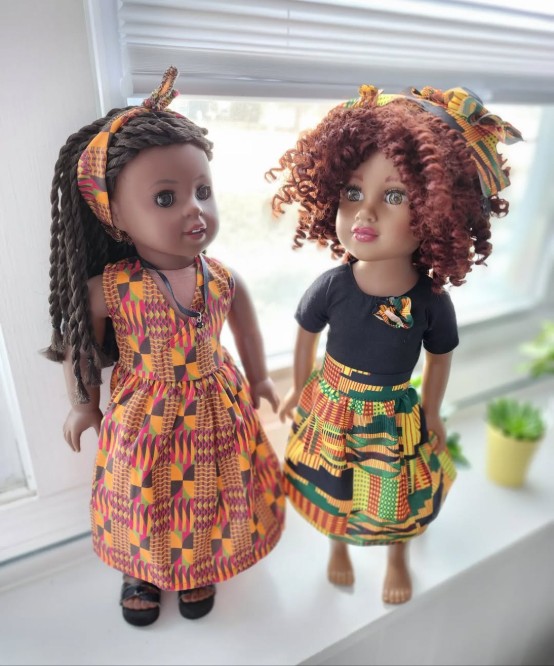
There’s also a growing movement toward inclusivity, with dolls representing diverse skin tones, body types, and abilities—something that reflects today’s world in a meaningful way.
Why Dolls Still Matter
Despite centuries of change, the role of dolls remains the same: they spark imagination, tell stories, and provide comfort. Whether it’s a child creating adventures with their favorite doll or a collector displaying a prized vintage piece, dolls continue to connect us to tradition, creativity, and play.